Residential Sewer Line Repair in Durham, NH
A sewer line sits several feet underground, sloped at a precise angle so gravity can carry waste away from your home to the municipal main or septic system. When that line fails, the problem rarely announces itself politely. You might notice a slow drain, then a gurgle in the toilet, then a backup in the lowest fixture in the house. By the time sewage surfaces, the damage is often advanced. Understanding how these lines work, why they fail, and what repair involves helps you act before a small defect becomes a flooded basement.
How a Sewer Line Actually Works
Your home’s main sewer line is the single largest drain pipe in the building. Every sink, toilet, shower, and floor drain eventually empties into it. The line runs from the foundation out to the street, dropping about a quarter inch per foot so wastewater keeps moving without pooling. Too little slope and solids settle. Too much slope and water races ahead of the solids, leaving them behind to form clogs.
Older homes in Durham, NH often have sewer lines made from cast iron, clay, or Orangeburg pipe. Newer construction uses PVC or ABS plastic, which resists corrosion and root intrusion far better. The material matters because it dictates how a line fails and how we repair it. Cast iron rusts from the inside out. Clay joints separate and invite roots. Plastic can crack under shifting soil but generally outlasts the older options by decades.
Common Questions We Hear About Sewer Lines
Most homeowners do not think about their sewer line until something goes wrong. When they call Paul the Plumber, the questions follow a familiar pattern. We want you to have clear answers before work ever begins.
- Why do multiple drains back up at once: When a single fixture drains slowly, the problem is usually local. When toilets, tubs, and sinks all back up together, the blockage is in the main line that serves all of them.
- What causes a sewer line to fail: Tree root intrusion, corrosion in aging metal pipe, ground settling that cracks joints, grease buildup, and foreign objects flushed over the years are the leading causes.
- Can a sewer line be repaired without digging up the yard: In many cases, yes. Trenchless methods let us rehabilitate a line through small access points rather than excavating the entire run.
- How long does a repair take: A spot repair can finish in a day. A full line replacement depends on length, depth, and access, but we give you a realistic timeline up front.
- Will my water service be shut off during the work: Usually only briefly. We plan the job to keep your household disruption to a minimum.
How We Diagnose a Sewer Line Problem
Guesswork has no place in sewer work. Digging blind wastes your money and your yard. Before we recommend any repair, we inspect the line with a waterproof camera mounted on a flexible cable. We feed the camera through a cleanout or an accessible drain and watch a live video feed as it travels the length of the pipe. This shows us the exact location, depth, and nature of the problem.
The camera reveals whether we are dealing with a root ball, a collapsed section, a bellied line that holds standing water, or simple scale buildup. We also use a locator that pinpoints the camera head from above ground, so we know precisely where to focus repair efforts. This diagnostic step turns a vague “something is wrong underground” into a specific, measurable problem with a clear solution. It is the difference between fixing the actual fault and tearing up a lawn on a hunch.
Repair Methods We Use in Durham, NH
No two sewer failures are identical, so we match the method to the problem. A hairline crack in an otherwise sound line calls for a very different approach than a line that has collapsed under decades of root pressure. Our goal is always the longest lasting fix with the least disruption to your property.
- Cabling and hydro jetting: For blockages caused by roots or grease, a mechanical cable cuts through the obstruction. For a more thorough clean, high pressure water scours the pipe walls back to bare material.
- Spot repair: When a single section has failed, we excavate only that area and replace the damaged length with new pipe, then backfill and restore the ground.
- Trenchless pipe lining: We insert a resin saturated liner into the existing pipe and cure it in place. This creates a new pipe within the old one without a full trench.
- Trenchless pipe bursting: For lines too far gone to line, a bursting head fractures the old pipe outward while pulling new pipe through the same path, all from two small access pits.
- Full excavation and replacement: When depth, slope correction, or severe damage demands it, we dig the line and install an entirely new run built to current code.
Why Durham Homeowners Choose Us
Sewer work is invasive by nature, so trust matters more here than with almost any other plumbing job. Paul the Plumber is family owned and operated, and we treat your home the way we would treat our own. We have been in business for 22 years, and in that time we have earned BBB accreditation with an A+ rating along with thousands of verified five-star reviews across multiple review platforms. That track record did not come from cutting corners underground where no one can see.
Every technician we send is licensed and background checked. Sewer repair often requires access to the inside of your home as well as the yard, and you deserve to know the person doing the work has been vetted. We offer up front pricing, so you approve the cost before we break ground, not after. We back all of our work with a two year parts and labor warranty, and if you become a club member, that warranty extends to three years parts and labor.
Signs You Should Call Before the Line Fails Completely
A sewer line rarely collapses without warning. The trouble is that the early signs are easy to dismiss. A single slow drain gets plunged and forgotten. A faint odor gets blamed on something else. Catching these symptoms early often means the difference between a minor repair and a major replacement.
Watch for drains that empty slowly across several fixtures, gurgling sounds from toilets when you run a sink, sewage odors inside or outside the home, patches of unusually green or soggy lawn above the line, and water backing up into the lowest drains when you use an upstairs fixture. Any one of these signals that waste is not flowing freely. The sooner we inspect, the more repair options you keep on the table and the less likely you face an emergency backup.
Serving Durham and the Surrounding Region
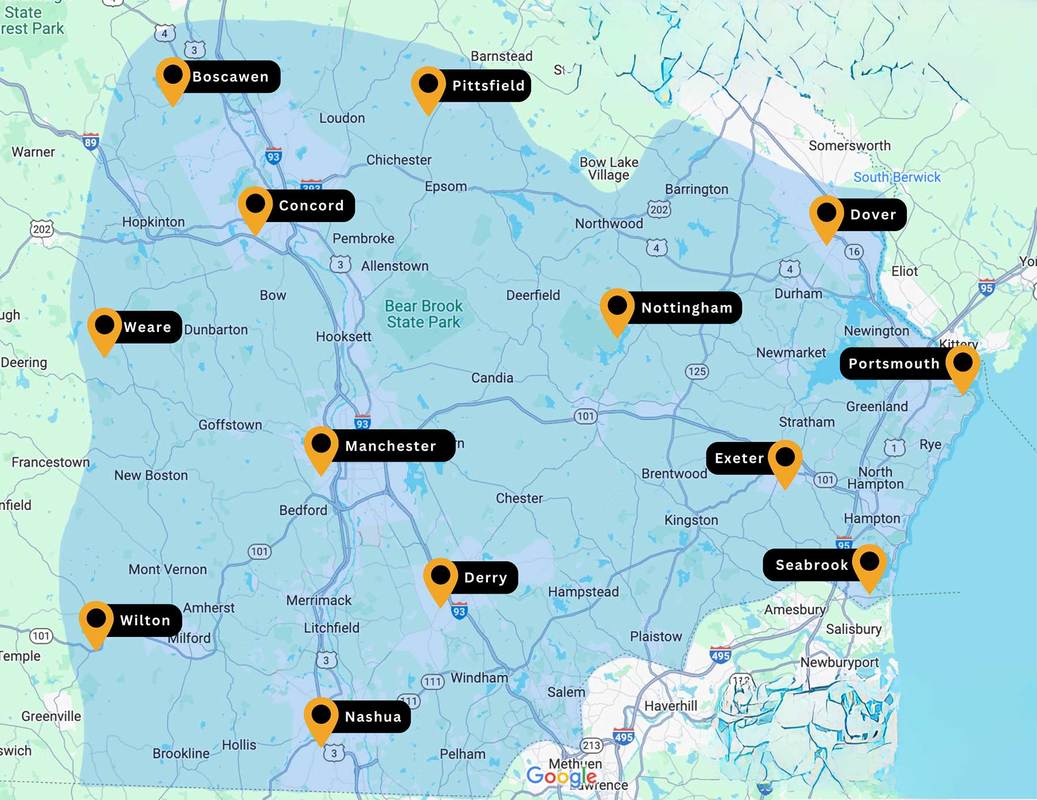
We bring the same sewer line expertise to homeowners throughout the area, including Derry, NH. Wherever you are located, the approach stays consistent: inspect first, explain the findings in plain language, present honest pricing, and complete the repair with care. We are reliable, we work with integrity, and we are happy to help.
When your sewer line needs attention, you want a crew that shows up on time, respects your property, and stands behind the work long after the trench is filled. That is the standard Paul the Plumber holds on every job. We treat customers like family and our employees like family, because we genuinely care about the outcome. Reach out today and let us put your sewer line trouble behind you, with service and a smile.