Whole-House Repiping Specialists in Dunbarton, NH
Galvanized steel pipe installed in homes built before the 1960s has a working life of roughly 40 to 50 years. Many houses around Dunbarton are well past that mark, which means the original supply lines are often corroded from the inside out. When that corrosion builds up, water pressure drops, the water looks rusty, and small leaks start showing up in walls and ceilings. Repiping replaces those aging lines with modern materials that will outlast the rest of your home. At Paul the Plumber, repiping is one of the services we handle most often in older New Hampshire houses, and we want you to understand exactly what the work involves before you commit to it.
What Repiping Actually Means
Repiping is the full or partial replacement of the water supply pipes that run through your home. Unlike a spot repair, where we fix a single leak or swap out one section, repiping addresses the entire distribution system. This is the right choice when the pipe material itself has reached the end of its service life, because patching one leak in a failing system usually just moves the next leak a few feet down the line.
A typical repipe covers the hot and cold supply lines that feed every fixture in the house: kitchen sink, bathrooms, laundry hookup, water heater connections, and any outdoor spigots. In some projects we also replace the main line from the meter or well pressure tank into the home. We do not always need to touch the drain, waste, and vent system during a supply repipe, but we inspect it while we are in the walls so you know its condition.
Why Dunbarton Homes Need Repiping
Dunbarton has a mix of historic farmhouses, mid-century homes, and newer construction. The older properties frequently still carry their original galvanized steel or early copper plumbing, and those materials age in predictable ways. Galvanized steel rusts internally and chokes down the pipe diameter, so you get weak flow even though the pipe looks fine from the outside. Early copper can develop pinhole leaks, especially where water chemistry is aggressive.
Well water is common in this area, and water that is acidic or high in mineral content speeds up pipe failure. If you have noticed that your water takes on a metallic taste, that your white laundry comes out faintly orange, or that running a second faucet drops the shower to a trickle, those are classic signs of supply lines that have corroded past the point of repair. We see these symptoms regularly in homes throughout Dunbarton and the surrounding towns we serve.
Common Questions We Hear Before a Repipe
Homeowners almost always ask the same practical questions when they first consider repiping, and we think you deserve straight answers before anyone opens a wall. The concern underneath most of these questions is simple: how disruptive is this going to be, and is it worth it? In our experience the answer is that a well-planned repipe is far less disruptive than people fear, and it ends the cycle of surprise leaks for decades.
- How long does it take: Most whole-home repipes take two to four days depending on the number of fixtures and the home’s layout. Larger or multi-story homes can run longer.
- Will I lose water the whole time: No. We stage the work so water is restored at the end of each day whenever possible, and we tell you in advance about any planned shutoffs.
- How much wall damage is involved: We make targeted access openings rather than tearing out entire walls. We plan these cuts carefully to minimize patching afterward.
- What pipe material will you use: We select based on your water chemistry and home, usually PEX or copper, and we explain the reasoning for each project.
- Is it covered by a warranty: Yes. We back all of our work with a two-year parts and labor warranty, and club members receive a three-year parts and labor warranty.
Our Repiping Process Step by Step
We follow a consistent methodology on every repipe so nothing gets missed and your home stays protected throughout. The first step is a full assessment. We map your existing lines, test water pressure at several points, and check the condition of fittings, valves, and your water heater connections. This lets us give you up front pricing with no surprises once the job begins.
Once you approve the plan, we protect your floors and furnishings, then open the minimum access points needed to route new pipe. We run the new supply lines, tie them into each fixture, and install new shutoff valves where they make sense. After the new system is in place, we pressure test every run to confirm there are no leaks before anything gets closed up. Finally we restore water service, walk you through the completed work, and handle patching coordination so you are not left with a mess.
Materials We Install and Why They Matter
The two materials we rely on most for residential repiping are PEX and copper. PEX is a flexible cross-linked polyethylene tubing that resists corrosion entirely, handles freezing better than rigid pipe because it can expand slightly, and installs with fewer fittings, which means fewer potential leak points. It is an excellent fit for New Hampshire homes that see cold winters and well water.
Copper remains a proven choice with a long track record and strong resistance to high temperatures. Some homeowners prefer it for its durability and the fact that it does not rely on plastic. We match the material to your specific water conditions, home construction, and preferences. Because your water chemistry drives pipe longevity, we treat material selection as an engineering decision, not a default. We will tell you honestly which option gives you the best long-term value in your situation.
Signs It Is Time to Call Us
You do not have to wait for a pipe to burst before acting. Rusty or discolored water, a steady drop in pressure across the home, visible corrosion on exposed pipes, recurring leaks in the same area, and water that stains fixtures are all indicators that your supply system is near the end. If your home still has its original galvanized plumbing, a proactive repipe almost always costs less than the water damage that comes from a failure inside a finished wall.
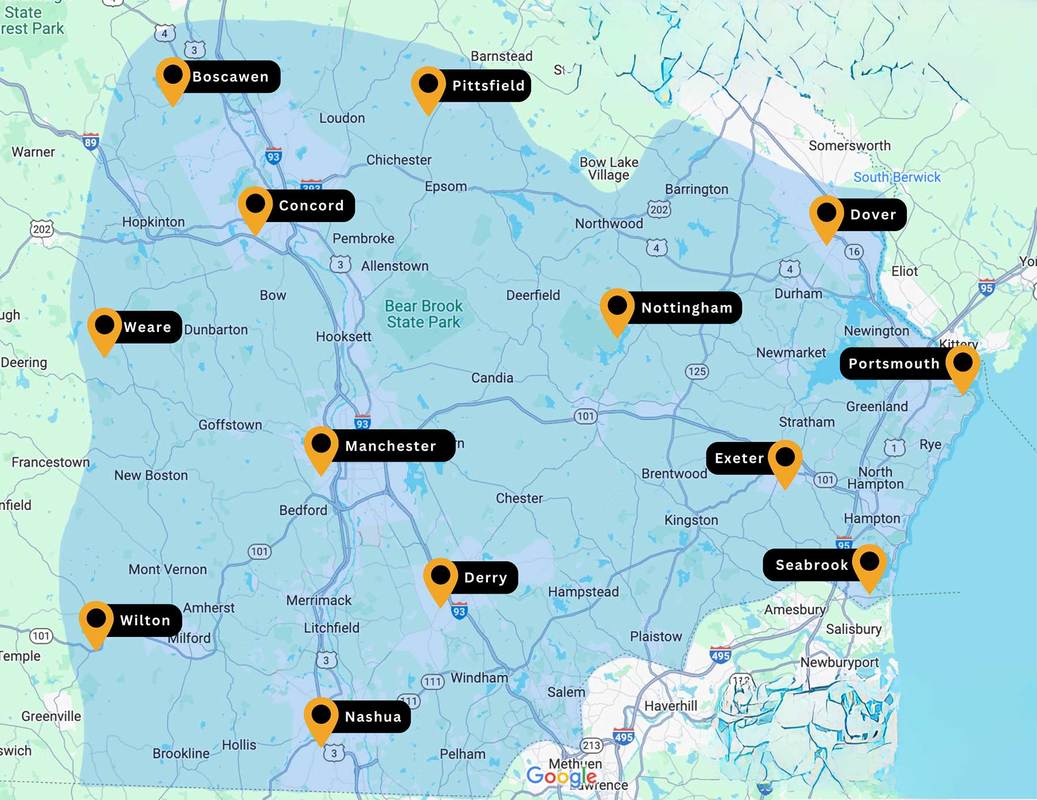
When you reach out, we are happy to help and we treat your home the way we would treat our own. We serve Dunbarton along with Derry, NH, so help is close by when you need it.
Why Dunbarton Homeowners Choose Paul the Plumber
We are family owned and operated, and we have been doing this work for 22 years. That longevity means we have seen just about every pipe material and failure mode that shows up in New Hampshire homes. We are BBB accredited with an A+ rating, and we have earned thousands of verified five-star reviews across multiple review platforms. Every one of our technicians is licensed and background checked, so you know exactly who is coming into your home.
Beyond the credentials, the way we work matters to us. We treat customers like family and we treat our employees the same way, because we believe reliability and integrity start from the inside out. We offer up front pricing, we show up when we say we will, and we stand behind every repipe we complete. When you call Paul the Plumber for repiping in Dunbarton, you get honest answers, careful workmanship, and service with a smile.