Reliable Sewer Line Repair Services in Danville, NH
Picture a slow drain in the basement that refuses to clear, a patch of lawn that stays soggy long after the rain stops, or the unmistakable smell of sewage drifting up through a floor drain. Each of these is a quiet signal that something is wrong deep below the surface, where your main sewer line carries wastewater away from the house toward the municipal main or septic system. When that line fails, the problem rarely stays small. Homeowners across Danville, NH turn to Paul the Plumber when these warning signs appear, because a buried sewer line is not something you want to guess about.
Sewer line repair sits at the intersection of careful diagnosis and solid craftsmanship. The line runs underground, often at a depth of several feet, and it works against gravity and time every single day. Tree roots, ground movement, corrosion, and decades of use all take their toll. Below we walk through how these lines work, what goes wrong, how we find the trouble, and how we fix it the right way.
How a Residential Sewer Line Actually Works
The main sewer line is the single largest drain pipe serving your home. Every sink, toilet, shower, and washing machine eventually empties into it. From there, the line slopes downward at a carefully engineered grade, usually about a quarter inch of drop per foot of run, so that solids and liquids move steadily toward the municipal connection or septic tank. That slope matters more than most people realize. Too little and waste sits and collects. Too much and the liquid races ahead while solids are left behind to form clogs.
Unlike supply lines, a sewer line is not pressurized. It depends entirely on gravity and proper venting to move waste along. That is why even a small disruption, such as a sag in the pipe or a partial root intrusion, can snowball into a complete blockage. Understanding this gravity-driven system helps explain why we pay such close attention to grade, pipe condition, and the full length of the run rather than just the spot where symptoms appear.
Common Causes of Sewer Line Damage in Danville
New Hampshire soil, mature trees, and cold winters combine to create a demanding environment for buried pipe. In older neighborhoods, the original lines may be clay, cast iron, or Orangeburg, each of which degrades in its own way. Clay cracks and invites roots. Cast iron corrodes from the inside out until the pipe wall thins and collapses. Orangeburg, a bitumen-based material used for decades, delaminates and loses its round shape until it flattens under the weight of the soil above.
Tree roots are among the most frequent offenders we encounter. Roots are drawn to the moisture and nutrients inside a sewer line, and they exploit the smallest crack or loose joint. Once inside, they grow into dense mats that trap paper and grease. Ground shifting from freeze and thaw cycles can also pull joints apart or create low spots where waste pools. Grease buildup, flushed items that do not belong in a drain, and simple age round out the list of culprits we address regularly.
How We Diagnose the Problem Before We Dig
We never assume we know what is wrong with a buried line. The foundation of any repair we perform begins with a camera inspection. We feed a waterproof, high-resolution camera on a flexible cable through the line and watch a live feed as it travels. This lets us see cracks, root intrusions, bellied sections, collapsed areas, and separated joints with our own eyes rather than guessing from the surface.
Alongside the camera, we use locating equipment that pinpoints the exact depth and position of the problem. A transmitter in the camera head broadcasts a signal that we trace from above ground, marking the spot where work needs to happen. This precision saves our customers time, money, and unnecessary disruption to their yard. When you understand exactly where the failure is and what caused it, you can choose the right repair method with confidence instead of tearing up an entire yard on a hunch.
Repair Methods We Offer
Not every damaged sewer line needs the same solution. The condition of the pipe, its material, the depth, and the extent of the damage all guide which approach makes the most sense. We walk every customer through the choices so the decision is informed and clear.
- Traditional excavation and replacement: When a line has collapsed or degraded along most of its length, we dig a trench, remove the failed pipe, and install new PVC or other approved pipe with proper grade and bedding. This is the most direct fix for severe cases.
- Spot repairs: If the camera shows a single broken section in an otherwise sound line, we expose and replace just that segment, keeping disruption to a minimum.
- Root removal and cleaning: For lines compromised by roots but still structurally intact, mechanical cutting and hydro jetting clear the obstruction and restore full flow before roots can cause lasting harm.
- Joint and connection repair: Separated joints near the foundation or at the municipal tie-in often need targeted attention to reseal the system and stop infiltration.
After any repair, we run the camera through the line a second time to confirm the fix. We want to see clean, continuous pipe with proper flow before we consider the job complete. That final verification is part of how we stand behind our work rather than hoping for the best.
What Happens If a Sewer Problem Is Ignored
A failing sewer line does not heal itself, and small issues grow expensive when left alone. A partial blockage becomes a full backup. A hairline crack becomes a collapse. Wastewater that cannot drain properly can push back into the lowest fixtures in the home, flooding basements and creating a serious health hazard. Outside, a leaking line can saturate the soil, undermine walkways and driveways, and even affect the foundation.
Early action almost always costs less and causes less disruption than an emergency repair after a complete failure. That is why we encourage homeowners to schedule an inspection at the first sign of trouble, whether it is recurring clogs across multiple fixtures, gurgling drains, slow draining throughout the house, or unexplained wet spots in the yard. Catching the problem while it is still a repair rather than a full replacement is almost always the better outcome.
Why Homeowners Choose Paul the Plumber
We are family owned and operated, and we have served this region for 22 years. That longevity means we have seen nearly every kind of sewer line failure the local soil and climate can produce, and we bring that experience to every job. We are BBB accredited with an A+ rating, and we have earned thousands of verified five-star reviews across multiple review platforms. Those numbers reflect a simple commitment: we treat customers like family and we treat our employees the same way.
Every technician we send to your home is licensed and background checked, so you can feel comfortable with the person working on your property. We offer up front pricing, which means you know what the work will cost before we begin rather than being surprised afterward. We back all of our work with a two year parts and labor warranty, and club members receive an extended three year parts and labor warranty for added peace of mind.
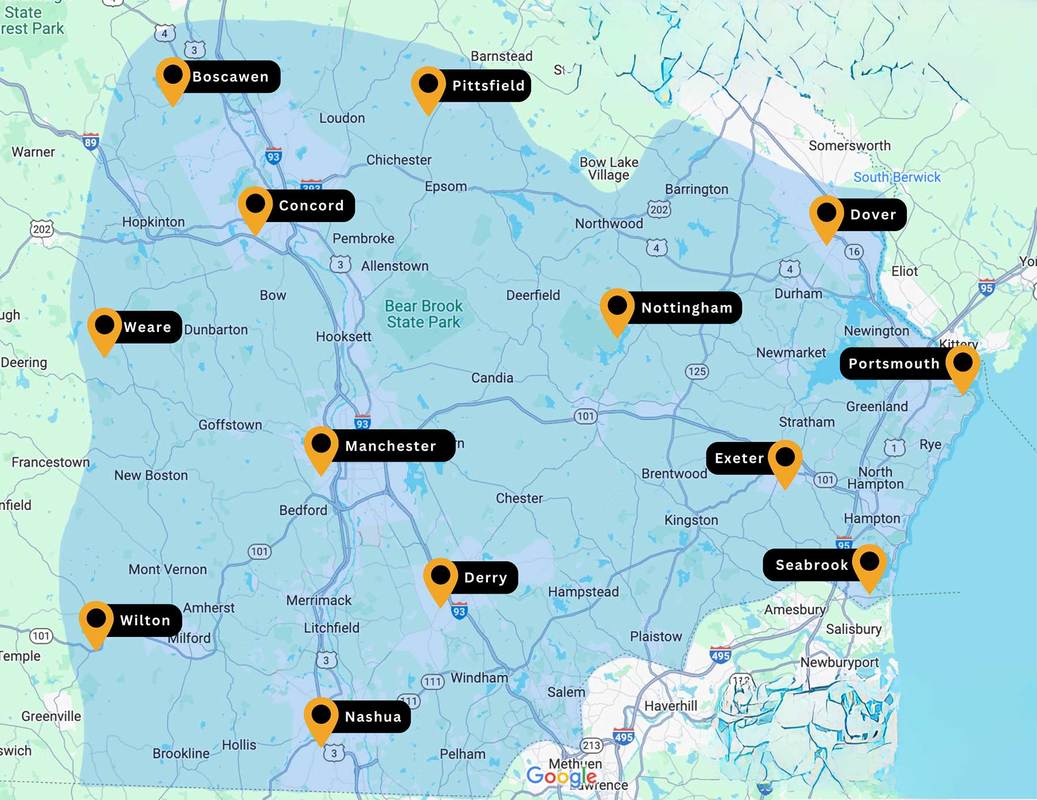
Beyond Danville, we proudly serve homeowners throughout Derry, NH. We built our reputation on reliability, honesty, and genuine care, and we bring that same spirit of service with a smile to every sewer line repair we take on. When your sewer line needs attention, we are happy to help, and we will work with integrity from the first inspection to the final test. Reach out to Paul the Plumber and let us get your home draining the way it should.