A typical home loses between 20 and 30 percent of the air that moves through its duct system because of leaks, holes, and poorly connected joints. That lost air never reaches the rooms it was meant to reach. Instead, it escapes into attics, crawl spaces, and wall cavities where it does nothing but waste the energy you paid to heat or cool it. Duct sealing corrects this problem directly, and for homeowners in Danville, NH, it is one of the most cost-effective improvements available for comfort and efficiency.
How Duct Leakage Affects Your Danville Home
Ductwork acts as the delivery network for your entire heating and cooling system. When the seams and connections in that network are not airtight, conditioned air bleeds out before it ever arrives at the register. The result is uneven temperatures, rooms that never feel comfortable, and equipment that runs longer than it should to keep up.
Leaky ducts also pull unconditioned air into the system. During summer, hot attic air gets drawn into return ducts, forcing your air conditioner to work harder. During winter, cold air from a crawl space enters the same way, reducing the warmth that reaches your living space. These problems compound over time, and many homeowners never realize the ductwork is the cause. At Paul the Plumber, we look at duct performance as a core part of how your whole system operates, not an afterthought.
Our Duct Sealing Process Step by Step
We approach duct sealing methodically so that nothing is missed. Every home is different, and older houses in Danville often have duct runs installed decades ago with materials that have loosened or degraded. Our process follows a clear progression from evaluation to verification.
- Initial inspection: We examine the accessible duct runs, connections, and registers to identify visible gaps, disconnected sections, and areas of concern.
- Leakage testing: We measure how much air the system loses so we can target the sealing work where it will do the most good.
- Cleaning the surfaces: Sealant bonds best to clean metal or fiberglass, so we prepare each joint before applying material.
- Applying mastic and tape: We use mastic sealant and approved metal-backed tape at joints, seams, and connections rather than standard cloth duct tape, which fails over time.
- Sealing the plenum and boots: We address the supply and return plenums as well as the register boots, which are common leak points that are often overlooked.
- Final verification: We test again after the work to confirm the improvement and show you the difference.
This sequence gives you results you can measure rather than guesswork. We explain what we find at each stage so you understand exactly what we are doing and why.
Technical Details That Make a Difference
Not all sealing materials perform equally. Mastic is a thick, paint-like compound that stays flexible and adheres to the duct surface even as the metal expands and contracts with temperature changes. Unlike cloth-backed tape, it does not dry out, crack, or peel away after a few seasons. For gaps larger than about a quarter inch, we combine mastic with fiberglass mesh to bridge the space and hold the seal in place.
Duct sealing also improves the static pressure balance in your system. When ducts leak, the blower motor fights against improper pressure, which shortens its life and increases energy use. A properly sealed system lets air move at the pressure the equipment was designed for. This protects the furnace or air handler and helps maintain consistent airflow to every room. We pay close attention to return-side leaks in particular, since those often draw in dust, allergens, and moisture that reduce indoor air quality.
Where Duct Sealing Helps Most
Duct sealing solves a wide range of problems in different situations. A two-story home with a bedroom that never cools down often has leaks in the runs feeding the upper floor. A basement that feels drafty in winter may be losing heated air through return leaks. Homes with high energy bills frequently trace part of that cost to duct loss that sealing can reduce.
We also see benefits in homes with allergy or dust concerns. When return ducts pull air from a dusty attic or crawl space, that debris circulates through the living areas. Sealing those leaks keeps the air moving through your filter instead of bypassing it. For families adding a new HVAC system, sealing the existing ducts first ensures the new equipment performs to its rated efficiency rather than wasting capacity on a leaky network.
Why Danville Homeowners Choose Us
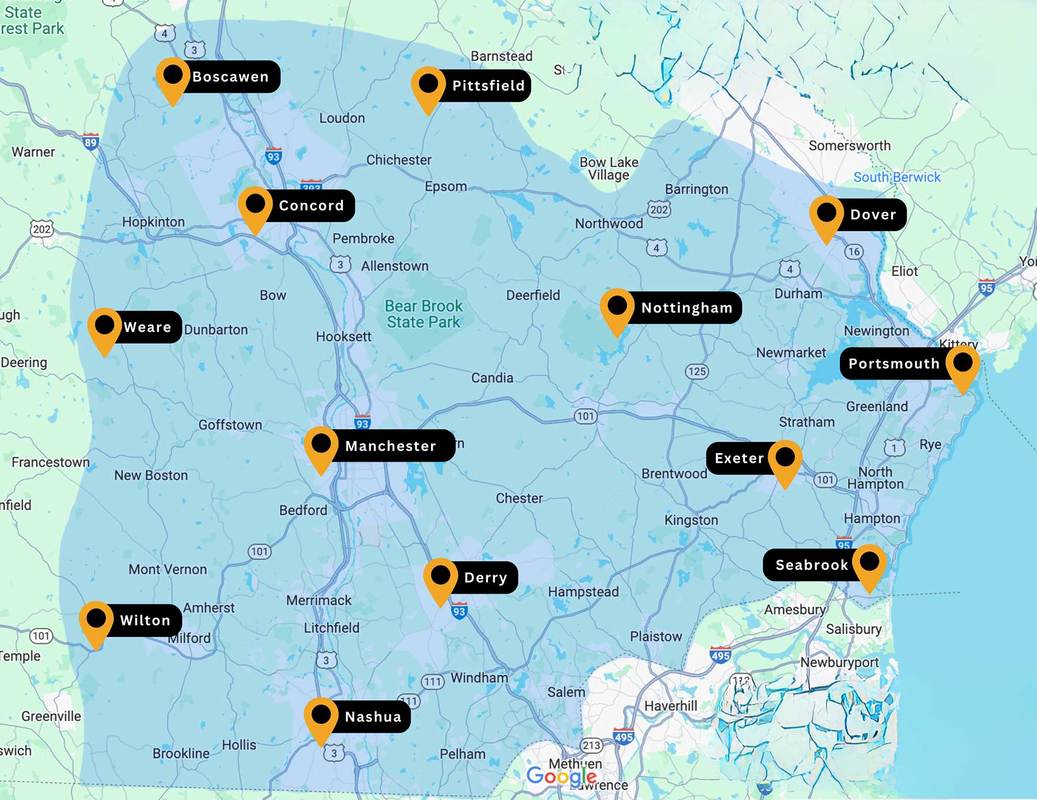
We have built our reputation on doing the job right and treating every customer with respect. As a family owned and operated company, we treat customers like family and employees like family, and that shows in the care we bring to every visit. We have served homeowners across Danville and neighboring communities like Derry for the work we do.
Here are a few things you can count on when you work with us:
- Experience you can trust: We have been in business for 22 years and hold BBB accreditation with an A+ rating.
- Qualified people: All of our technicians are licensed and background checked, so you know who is in your home.
- Honest pricing: We offer up front pricing with no surprises after the work is done.
- Strong warranties: We back all of our work with a 2 year parts and labor warranty, and club members receive a 3 year parts and labor warranty.
- A proven track record: We have thousands of verified 5-star reviews across multiple review platforms.
We are reliable and always work with integrity. Whether your concern is high energy bills, uneven temperatures, or improving the air your family breathes, we are happy to help. Beyond duct sealing, we provide complete plumbing, HVAC, and electrical services, including AC installation, AC repair, and HVAC repair, so we can address whatever your home needs.
We care about the comfort of your home and the trust you place in us. When you call Paul the Plumber for duct sealing in Danville, you get service with a smile and workmanship that lasts. Reach out today, and let us show you the difference sealed ductwork can make.