Every home in Chester relies on a network of pipes that most people never see and rarely think about—until something goes wrong. Plumbing lines are the arteries of your house, carrying fresh water in and waste water out. When they work, life is simple. When they fail, you notice fast. A hidden slab leak, a corroded supply line, or a blocked sewer branch can turn an ordinary day into a scramble. That is exactly why understanding your plumbing lines, and knowing who to call when they need attention, matters more than most homeowners realize.
At Paul the Plumber, we have spent 22 years helping Chester families keep their plumbing lines sound, safe, and reliable. As a family owned and operated business, we treat every home we enter the way we would treat our own. This page walks you through what plumbing lines are, the questions we hear most often, and the guidance we give to help you make confident decisions about the pipes running through your walls, floors, and yard.
What Plumbing Lines Actually Are
Plumbing lines fall into two broad categories: supply lines and drain lines. Supply lines bring pressurized fresh water from your municipal connection or well into your home, feeding faucets, showers, appliances, and outdoor spigots. These lines are typically made of copper, PEX, or in older Chester homes, galvanized steel. Because they hold water under pressure, even a small failure can release a lot of water quickly.
Drain lines, sometimes called drain-waste-vent lines, carry used water and waste away from your fixtures and out to the sewer or septic system. These lines rely on gravity and proper venting rather than pressure. They are usually made of PVC, ABS, or cast iron. When a drain line clogs, cracks, or sags, the problem often shows up as slow drains, gurgling sounds, or unpleasant odors before it becomes a full backup. Knowing which type of line is involved helps us diagnose the issue accurately and choose the right repair method.
Common Concerns Chester Homeowners Bring to Us
A lot of the calls we get start with a homeowner noticing something small and wondering whether it is worth a service visit. Our answer is almost always the same: catching a problem early costs far less than repairing water damage later. Here are the concerns we hear most often and what they usually mean.
- Low water pressure throughout the house: This often points to mineral buildup inside older supply lines or a partial blockage. In galvanized steel pipes, corrosion narrows the interior over time and slowly chokes off flow.
- Discolored or rusty water: Brown or reddish water usually signals corroding pipes, especially in homes with aging galvanized lines. It is a sign the line may need replacement before it fails.
- Recurring drain clogs: If the same drain backs up again and again, the issue is likely deeper in the line—a buildup, a belly in the pipe, or tree roots intruding on an underground sewer line.
- Damp spots or unexplained water bills: A sudden jump in water usage with no change in habits often means a hidden leak in a supply line, sometimes under a slab or inside a wall.
- Gurgling toilets or slow multiple drains: When more than one fixture struggles at once, the problem is usually in a main line or the vent system rather than a single fixture.
When any of these show up, the smart move is a professional inspection. We would rather tell you the fix is simple than have you wait until a minor issue becomes a major repair. We’re happy to help you sort out what is urgent and what can wait.
How We Diagnose and Repair Plumbing Lines
Guesswork has no place in plumbing line work. Tearing into a wall or digging up a yard on a hunch wastes time and money, so we take a methodical approach that locates the true source of the problem before we make any repair. Our process is built to protect your home and give you clear answers.
- Listen and inspect: We start by asking questions and observing the symptoms firsthand. Where does the water back up? When did pressure drop? These details narrow the search quickly.
- Camera and location work: For drain and sewer lines, we use camera inspection to see inside the pipe and pinpoint clogs, cracks, root intrusion, or bellies without unnecessary digging.
- Pressure and leak detection: For supply lines, we check pressure and use detection methods to isolate hidden leaks behind walls or under slabs.
- Clear diagnosis and options: We explain what we found in plain language and lay out your options with up front pricing, so there are no surprises when the work is done.
- Repair or replacement: Depending on the line and its condition, we clear the blockage, patch the section, or replace the run entirely with modern materials that will last for decades.
Because our technicians are licensed and background checked, you can feel comfortable with the person we send to your door. We back all of our work with a 2 year parts and labor warranty, and if you join as a club member, that coverage extends to a 3 year parts and labor warranty. That commitment reflects how confident we are in the quality of our repairs.
Repiping, Sewer Lines, and Larger Projects
Sometimes a single repair is not enough. When we find galvanized steel supply lines that are corroded throughout, patching one section only delays the next failure. In those cases, we recommend repiping the affected runs or the whole home with copper or PEX. Repiping restores full water pressure, eliminates rust in your water, and gives you decades of reliable service. We plan these projects to minimize disruption, working section by section so your household keeps running water during the process wherever possible.
Underground sewer lines present their own challenges. Tree roots seek out the moisture and nutrients inside a sewer pipe and can invade through tiny cracks or joints, gradually choking the line. Older cast iron and clay sewer pipes are especially vulnerable to root intrusion and settling. We diagnose these problems with camera inspection and recommend the least invasive effective solution, whether that is a thorough cleaning, a targeted repair, or a full line replacement. Our goal is to solve the root cause—not just push the problem down the pipe.
Why Chester Homeowners Choose Paul the Plumber
Trust is earned, and we have worked hard to earn it. Paul the Plumber is BBB accredited with an A+ rating, and we have gathered thousands of verified 5-star reviews across multiple review platforms over our 22 years in business. Those numbers reflect a simple philosophy: we treat customers like family and we treat our employees like family. We care about doing the job right, and we work with integrity on every call.
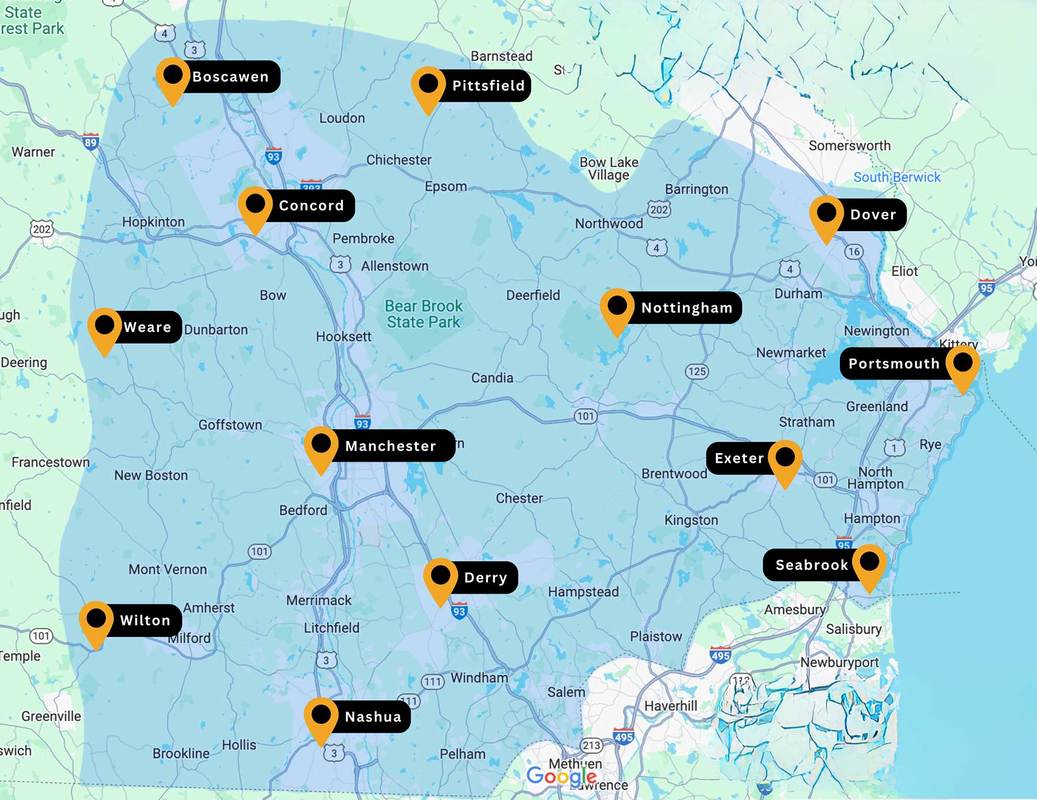
Beyond plumbing lines, we serve Chester and the surrounding communities including Derry with a full range of heating, HVAC, and electrical services, from furnace repair and AC repair to HVAC installation and licensed electrical work. That means one reliable team can handle nearly any system in your home. When you call us, you get service with a smile, honest advice, and workmanship that stands behind its warranty. Whether your plumbing lines need a quick fix or a full replacement, we are ready to help you protect the home you have invested in.