Copper, PEX, CPVC, and galvanized steel each behave differently inside the walls of a home, and knowing which material runs where is the first step in any plumbing line work. In East Hampstead, NH, the water supply and drain lines inside older and newer homes vary widely, and recognizing those differences shapes how every repair, replacement, and installation gets handled. At Paul the Plumber, plumbing line work is a daily part of what we do, and the sections below explain how we approach it.
What Plumbing Lines Include in a Typical East Hampstead Home
Plumbing lines cover more than the pipe you see under a sink. The term includes the pressurized supply lines that carry hot and cold water to every fixture, the drain-waste-vent (DWV) system that removes used water and sewer gases, and the smaller branch lines that feed individual appliances. Each category has its own pressure rating, slope requirement, and material standard. A supply line usually runs under 40 to 80 pounds per square inch of pressure, while a drain line relies on gravity and proper venting to flow correctly.
In East Hampstead, NH, we see a mix of pipe materials inside homes. Copper remains common in houses built through the late twentieth century, while PEX has become the standard for new construction and repiping because it resists freezing better and installs with fewer joints. Older homes sometimes still hold galvanized steel supply lines, which corrode from the inside and gradually restrict water flow. Part of our work is identifying what is already in a home and deciding whether a repair, a partial replacement, or a full repipe makes the most sense.
Signs a Plumbing Line Needs Attention
Most plumbing line trouble builds slowly before it becomes obvious. A drop in water pressure at a single faucet points to a localized blockage or a corroded section, while low pressure throughout the house suggests a larger supply problem. Discolored water, especially a rusty tint, often means a steel pipe is deteriorating from the inside. Damp spots on ceilings or walls, an unexplained spike in a water bill, or the sound of running water when every fixture is off all signal a hidden line issue.
Drain lines give their own warning signs. Slow drains, gurgling noises, or odors rising from a sink usually mean a partial clog or a venting problem. When several fixtures drain slowly at the same time, the trouble is likely in a shared branch line rather than a single trap. We encourage homeowners to call when these symptoms first appear. A small repair handled early costs far less than the repair work that follows a burst line or a flooded floor.
How We Diagnose and Repair Plumbing Lines
We start every plumbing line job with a careful inspection rather than guesswork. That means checking water pressure at multiple points, examining accessible pipe for corrosion or leaks, and tracing the path of a line through the home. For hidden lines, we use leak detection tools and, when needed, camera inspection to see inside a pipe without opening a wall. This approach lets us pinpoint the exact location of a problem and avoid unnecessary demolition.
Once we know the cause, we explain the options clearly before any work begins. Some situations call for a spot repair, where we cut out a damaged section and splice in new pipe. Others justify replacing a longer run or repiping a portion of the home. Our process generally follows these steps:
- Inspection and testing: We confirm the material, pressure, and condition of the affected lines before recommending anything.
- Clear explanation: We walk through what we found and present repair or replacement options with up front pricing so there are no surprises.
- Controlled repair: We isolate the section, protect the surrounding area, and complete the work to code.
- Testing and cleanup: We restore water, check for leaks, verify proper flow, and leave the work area clean.
New Line Installation and Repiping
Not every plumbing line job is a repair. When homeowners remodel a kitchen or bathroom, add a fixture, or finish a basement, new supply and drain lines have to be run and tied into the existing system. This work demands attention to slope on drain lines, correct pipe sizing for the fixtures being served, and proper venting so drains flow freely and sewer gas stays out of the living space. Undersized or poorly vented lines cause problems that show up months later, which is why we size and route every new line to meet code the first time.
Repiping is a larger project we handle when the existing lines have reached the end of their service life. Galvanized steel that has corroded, or copper with repeated pinhole leaks, often reaches a point where patching no longer makes sense. In those cases we plan the new routing, choose the right material for the home, and complete the replacement in stages that limit the time water is shut off. PEX is frequently the material of choice for these jobs because of its flexibility, fewer fittings, and resistance to freeze damage during New Hampshire winters.
Protecting Lines Against Freezing
Cold winters make frozen pipes a real concern in this region. Supply lines in unheated crawl spaces, exterior walls, and garages carry the highest risk. When water freezes inside a line, it expands and can split the pipe, leading to a burst as soon as the ice thaws. Prevention is far easier than the repair and cleanup that follow a failure.
We help homeowners reduce this risk by insulating exposed lines, sealing drafts near pipe runs, and advising on which fixtures to protect during extreme cold. For homes that have already experienced a freeze, we locate the damaged section, replace it, and recommend improvements to keep the same spot from failing again. These preventive steps are a small investment against the larger expense of water damage.
Why Homeowners Choose Paul the Plumber
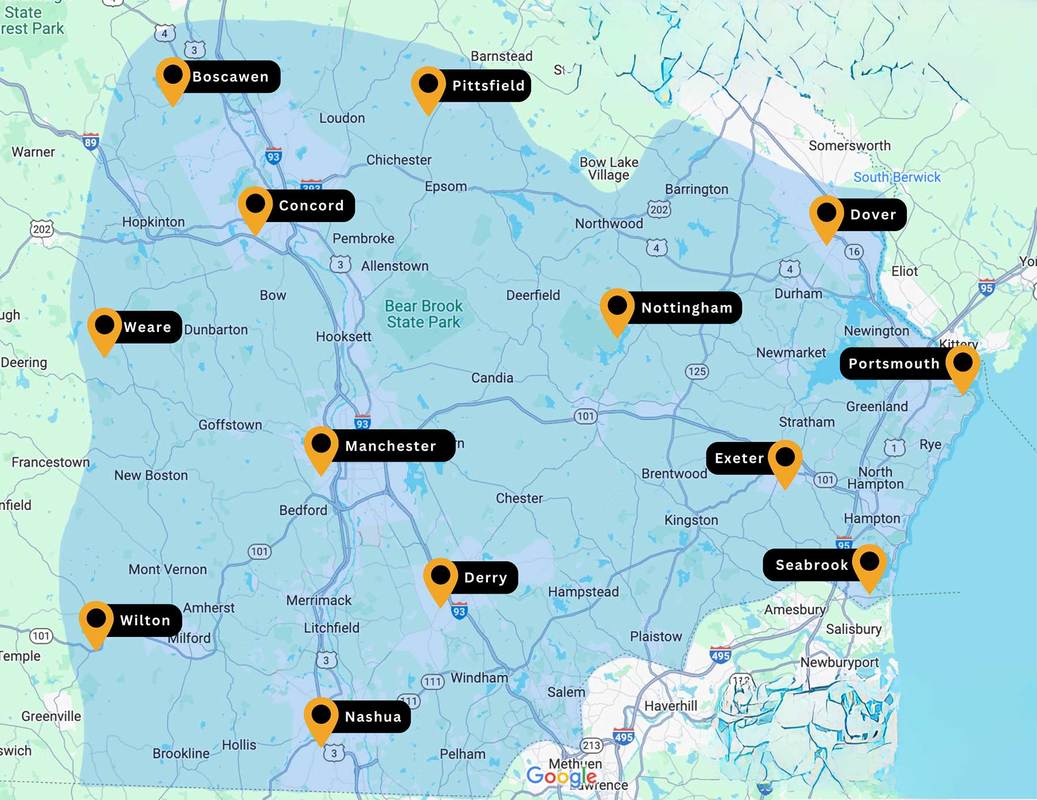
We are family owned and operated, and we have been in business for 22 years serving homeowners across Derry, NH. In that time we have built our reputation on reliable work and honest dealing. We are BBB accredited with an A+ rating, and we have thousands of verified 5-star reviews across multiple review platforms. Every technician who comes to your home is licensed and background checked, so you can feel comfortable with who is working on your plumbing lines.
We back all of our work with a 2 year parts and labor warranty, and club members receive a 3 year parts and labor warranty. We offer up front pricing, so you know the cost before the work starts. Here is what guides how we run our business:
- We treat customers like family: Your home gets the same care and respect we would want for our own.
- We treat employees like family: A team that is valued does better work for the people they serve.
- We work with integrity: We tell you what we find, recommend only what you need, and stand behind every job.
Whether you have a slow drain, a drop in water pressure, a line that needs replacing, or a new installation for a remodel, we are happy to help. Plumbing line problems rarely improve on their own, and the sooner they are addressed, the less disruption they cause. Reach out to Paul the Plumber for plumbing line service in East Hampstead, NH, and expect reliable work, clear answers, and service with a smile.