Reliable Sewer Line Repair Services in Auburn, NH
A sewer line sits several feet below the surface, carrying every gallon of wastewater from your home to the municipal main or your septic system. In Auburn, NH, these lines run through soil that freezes, shifts, and settles with the seasons. A single failure in that buried pipe can back up drains across your entire house, flood a basement, or saturate a yard with raw sewage. Because the line is out of sight, most homeowners do not think about it until something goes wrong. Understanding how a sewer line works, how it fails, and how it gets repaired gives you the knowledge to act fast when trouble appears.
How a Residential Sewer Line Functions
A sewer line is a gravity-driven system. Waste leaves your home through a main drain, then travels downhill through a single large pipe, usually between four and six inches in diameter. The pipe must maintain a consistent slope, typically a quarter inch of drop per foot of run, so that solids and liquids move together toward the municipal connection. Too little slope and solids settle out and clog the pipe. Too much slope and liquid outruns the solids, leaving debris behind. This balance is why a sewer line is not something to repair by guesswork.
Older homes in Auburn often have lines made of clay tile, cast iron, or Orangeburg, a tar-impregnated fiber pipe used in the mid-twentieth century. Newer construction uses PVC or ABS plastic. Each material fails in its own way. Clay cracks and invites tree roots. Cast iron corrodes from the inside and flakes apart. Orangeburg deforms and collapses under soil pressure. Knowing which material is buried under your property shapes the repair strategy, and part of our job at Paul the Plumber is identifying that material before we recommend a fix.
Common Causes of Sewer Line Failure
Tree roots are the most frequent culprit we encounter. Roots seek moisture, and a small crack or loose joint in a sewer line leaks water vapor that draws them in. Once inside, roots grow into dense mats that trap waste and eventually block flow entirely. Removing the roots is only a temporary fix because they return. Lasting repair means addressing the opening that let them in.
Beyond roots, sewer lines fail for several predictable reasons. Recognizing these helps you understand what a technician is looking for during an inspection:
- Corrosion: Cast iron and metal pipes rust from decades of exposure to water and waste, thinning the walls until they crack or collapse.
- Ground movement: Frost heave and soil settling shift the pipe, breaking joints and creating low spots called bellies where water pools.
- Grease and debris buildup: Cooking grease, wipes, and other non-flushable items accumulate on pipe walls and narrow the passage over time.
- Age and material fatigue: Clay and Orangeburg pipes have finite lifespans, and many lines in older neighborhoods have simply reached the end of theirs.
- Improper slope: Poor original installation or later ground shifting changes the pipe angle, causing chronic clogs that no amount of cleaning will permanently clear.
Each of these causes produces different symptoms. A belly causes slow, recurring backups. Root intrusion often produces gurgling drains and sewage odors. A full collapse stops flow entirely. Matching the symptom to the cause is the first step we take when you call us.
How We Diagnose a Sewer Line Problem
Guessing where a sewer line fails means digging blindly, and blind digging wastes time and money. Instead, we use a video inspection camera to see the inside of the pipe directly. A waterproof camera on a flexible cable travels the full length of the line while we watch a live feed on a monitor. This shows us exactly where the problem sits, what caused it, and how far down the line it extends. The camera also carries a locator signal, so we can mark the precise spot on the ground above the defect.
This diagnostic step matters because it determines the repair method. A single cracked joint calls for a very different approach than a line that has collapsed along ten feet of its run. Once we understand the condition of the entire line, we explain what we found in plain language and present your options. We believe you should see the same footage we do, because an informed homeowner makes a better decision about their property.
After the camera inspection, we may measure the slope, check for standing water, and confirm the pipe material. Only then do we recommend a repair. This methodical process reflects how we work at Paul the Plumber, where we would rather spend extra time diagnosing accurately than rush into the wrong fix.
Repair Methods We Use in Auburn
The right repair depends entirely on what the inspection reveals. For a localized break, traditional excavation is often the most direct solution. We dig down to the damaged section, remove it, and install new pipe, then backfill and restore the ground. This method has been the standard for generations and remains dependable when the damage is confined to one accessible area.
For longer failures or lines where digging would destroy landscaping, driveways, or mature trees, trenchless methods offer an alternative. Pipe lining inserts a resin-saturated sleeve into the existing pipe, then cures it in place to form a new pipe within the old one. Pipe bursting pulls a new pipe through the path of the old one while fracturing the original outward. Both methods reduce the amount of digging dramatically. Not every line qualifies for trenchless repair, and the video inspection tells us whether your situation is a candidate.
Full replacement becomes necessary when a line has multiple failures, severe sagging, or a material like Orangeburg that will keep failing no matter how many spot repairs you make. In those cases, replacing the entire run gives you decades of reliable service rather than a string of temporary patches.
Why Homeowners in Auburn Choose Us
Sewer line work is disruptive and expensive if handled poorly, so the company you hire matters. Paul the Plumber is family owned and operated, and we have served the region for 22 years. We treat customers like family and employees like family, and that care shows in how we communicate, how we clean up, and how we stand behind the work.
A few facts set our service apart and give you confidence before the first shovel goes into the ground:
- Upfront pricing: You know the cost before we begin, with no surprises added after the work starts.
- Warranty coverage: We back all of our work with a 2 year parts and labor warranty, extended to 3 years when you join as a club member.
- Verified reputation: We are BBB accredited with an A+ rating and hold thousands of verified 5-star reviews across multiple platforms.
- Qualified technicians: Every technician is licensed and background checked before entering your home.
- Dependable service: We work with integrity, show up reliably, and are always happy to help.
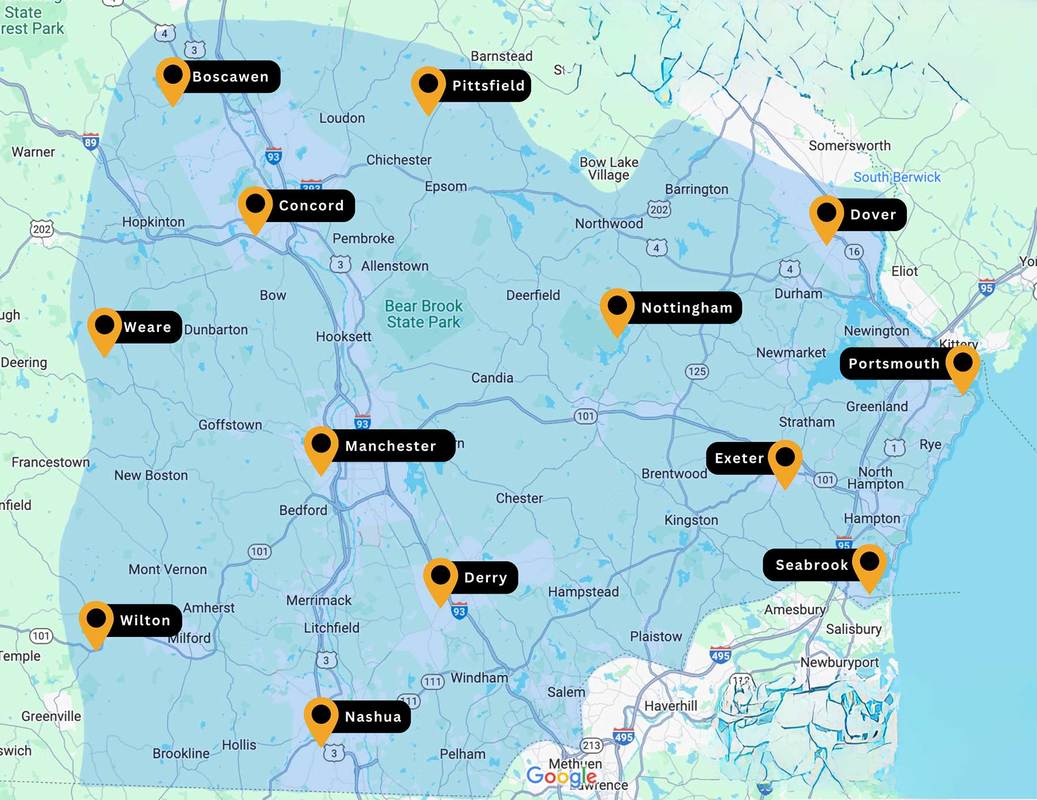
We serve Auburn and the surrounding communities including Derry, NH, bringing the same honest diagnosis and quality repair to every address. Whether your drains gurgle, your basement smells, or your yard has a soggy patch that will not dry, a sewer line problem rarely improves on its own. Call Paul the Plumber and let us inspect the line, explain what we find, and fix it right the first time, with service and a smile.