Buried a few feet under your yard and threaded through the walls of your Danville home, plumbing lines carry every gallon of water you use and remove every drop of waste. Most of these pipes are invisible during daily life, which is why a problem often stays hidden until pressure drops, a stain appears on a ceiling, or a slow drain becomes a full backup. Understanding how these lines work, and knowing when they need attention, helps you protect one of the most important systems in your house.
At Paul the Plumber, we install, repair, and replace the full network of pipes that make a home function. This page walks through the common questions homeowners ask about plumbing lines, then moves toward clear guidance on how we diagnose issues and keep your system running.
What Are Plumbing Lines and How Do They Work
Plumbing lines are the pipes that move water into and out of your home. They split into two main groups. Supply lines bring fresh, pressurized water from the municipal main or a private well to fixtures such as sinks, tubs, toilets, and appliances. Drain, waste, and vent lines carry used water and waste away from those fixtures and out to a sewer or septic system, while vent pipes let air into the system so drains flow smoothly and sewer gases escape above the roof.
Supply lines operate under constant pressure, usually between 40 and 80 pounds per square inch for a residential system. Drain lines, by contrast, rely on gravity and proper slope rather than pressure. A horizontal drain line typically needs a fall of about one-quarter inch per foot to move waste without leaving solids behind. When either of these systems falls out of specification, you notice it fast: weak water flow, gurgling drains, or standing water where it should not be.
Common Materials Used in Residential Lines
The material inside your walls tells us a lot about the age and condition of your plumbing. Older Danville homes may still have galvanized steel supply lines, which corrode from the inside over decades and gradually choke off water flow. Copper has long been a trusted choice for supply lines because it resists bacteria and handles heat well. In newer installations, we frequently use PEX, a flexible cross-linked polyethylene tubing that resists freezing better than rigid pipe and installs with fewer joints.
On the drainage side, cast iron was standard for generations and can last many decades, though it eventually rusts and scales. Modern drain and vent lines are usually PVC or ABS plastic, which is lightweight, smooth on the interior, and resistant to corrosion. When we assess a home, we identify each material present because that shapes both the repair method and the expected lifespan of every section.
Warning Signs Your Plumbing Lines Need Attention
Plumbing lines rarely fail without warning. The trouble is that early signs are easy to dismiss until they grow into an emergency. Paying attention to small changes lets you call us before a minor issue becomes a costly one.
- Drop in water pressure: a gradual weakening across multiple fixtures often points to corrosion or mineral buildup inside supply lines.
- Discolored water: brown or rusty water after a period of no use suggests corroding pipe walls, especially in galvanized steel.
- Recurring clogs: a drain that backs up again and again, even after clearing, may signal a deeper line problem or root intrusion.
- Unexplained sounds: gurgling, banging, or whistling inside walls can mean venting problems, pressure issues, or loose fittings.
- Water stains or damp spots: moisture on ceilings, walls, or floors frequently traces back to a hidden line leak that needs prompt repair.
If you notice any of these signs, it is best to act quickly. A slow leak inside a wall can rot framing and feed mold long before you see the damage. When you reach out, we send a licensed technician to locate the source rather than guess at it, so the repair addresses the real cause.
How We Diagnose Line Problems
Guesswork has no place in plumbing line work, and cutting open walls at random wastes your money. We start every diagnosis by gathering information: when the problem began, which fixtures are affected, and what changes you noticed. That conversation narrows the search before we ever touch a tool.
From there, we use targeted methods to pinpoint the issue. For hidden leaks, we check pressure and use acoustic and moisture-detection equipment to trace water where the eye cannot see. For drain and sewer problems, we run a camera inspection through the line, sending a small waterproof camera down the pipe so we can view the interior on a screen. This shows us cracks, root intrusion, bellied sections, and blockages in real time. Once we know exactly what is wrong and where, we explain the findings in plain language and give you options before any work starts.
Repair and Replacement Methods We Use
The right fix depends on the material, the location, and the extent of the damage. A small pinhole leak in an accessible copper line calls for a very different approach than a collapsed sewer lateral under a driveway. We match the method to the problem instead of applying a single solution to every job.
For localized damage, we cut out the failed section and splice in new pipe with proper fittings, then test the repair under pressure. For lines choked with mineral scale or grease, we clear them with augers or high-pressure water jetting that scours the interior back to full diameter. When a line has failed along its length, full replacement restores reliability, and we route new PEX, copper, or PVC to modern code with as little disruption to your finishes as we can manage. In every case, we pressure-test and inspect our work before we consider the job complete.
Preventive Care That Extends Line Life
Well-maintained plumbing lines can serve a home for decades, and a little routine care goes a long way. Simple habits reduce strain on your pipes and help you avoid emergencies. During service visits, we often point out small steps you can take between appointments to keep the system healthy.
- Watch what goes down the drain: keep grease, fibrous food, and non-flushable items out of the system to prevent stubborn blockages.
- Protect pipes from freezing: insulate lines in unheated spaces and keep a trickle running during hard cold snaps, which matter in New Hampshire winters.
- Address slow drains early: a sluggish drain today can become a full backup later, so treat it before it worsens.
- Schedule periodic inspections: a camera check every few years catches root intrusion and corrosion while repairs are still small.
Preventive attention is far less expensive and disruptive than emergency work, and it gives you a clear picture of your system’s condition over time. We are always happy to help you build a maintenance routine that fits your home.
Why Danville Homeowners Choose Paul the Plumber
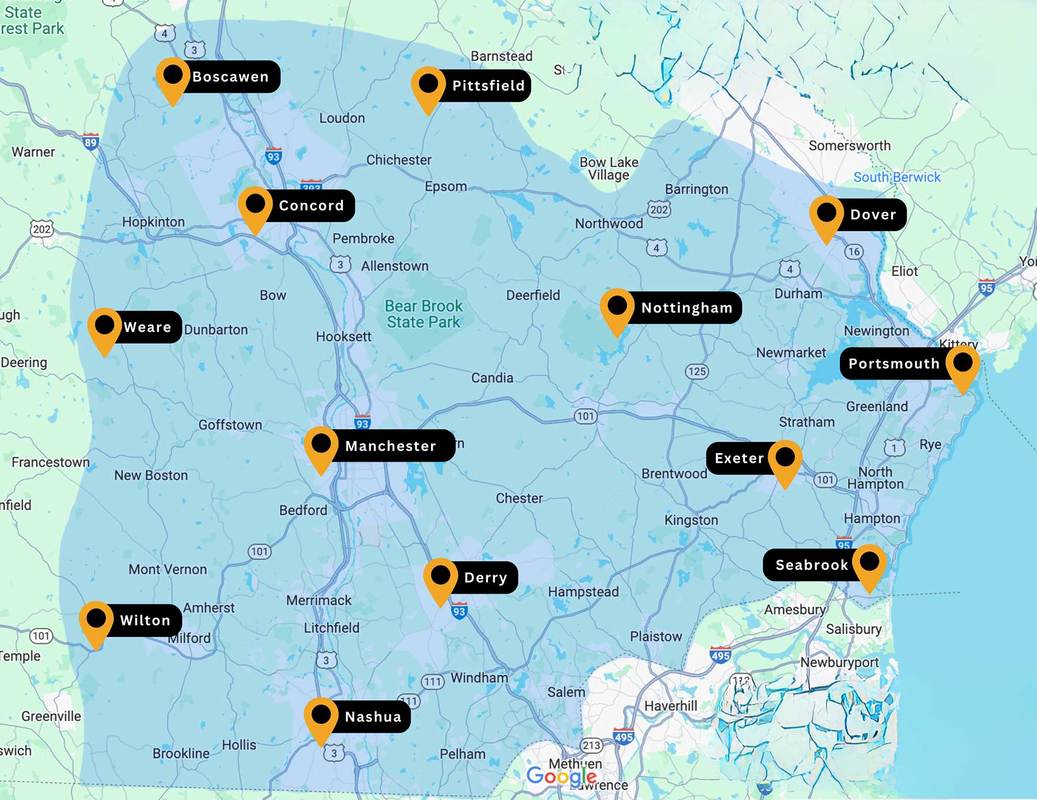
Choosing who works on the pipes behind your walls is a matter of trust. Paul the Plumber is family owned and operated, and we have served the region for 22 years with the same values we started with. We are BBB accredited with an A+ rating, and we have earned thousands of verified five-star reviews across multiple platforms. Every technician who comes to your door is licensed and background checked, so you know exactly who is in your home.
We offer up-front pricing so you approve the cost before we begin, and we back all of our work with a two-year parts and labor warranty. If you join our club membership, that coverage extends to a three-year parts and labor warranty. We treat customers like family and our employees the same way, because we believe that reliability and integrity are built one relationship at a time. Beyond plumbing lines, our team handles heating, cooling, and electrical work throughout Derry, from furnace and AC repair to HVAC installation and electrical service.
When your plumbing lines need expert attention in Danville, we are ready with service and a smile. Reach out to Paul the Plumber and let us keep the water flowing where it should and away from where it should not.