Every dollar you spend heating or cooling your home depends on one simple thing: the air actually reaching the rooms where you want it. When your ductwork leaks, that conditioned air escapes into attics, crawl spaces, and wall cavities before it ever arrives at a register. You pay for comfort you never feel. Duct sealing corrects that loss, and at Paul the Plumber we treat it as one of the most direct ways to lower energy bills and even out the temperature swings that make some rooms hot and others cold.
Why Leaking Ductwork Costs You More Than You Think
A typical home in Deerfield can lose a significant portion of its heated or cooled air through gaps at duct joints, poorly connected takeoffs, and disconnected sections hidden above ceilings. That air does not vanish—it heats an unfinished attic or cools a crawl space you never occupy. Your system then runs longer to make up the difference, which raises your utility bills and adds wear to the compressor, blower, and heat exchanger.
Leaky ducts also pull air from places you do not want. When return ducts draw from an attic or basement, they can bring in dust, humidity, fumes, and even radon. Sealing the system keeps that unconditioned air out and helps your filters do their job. The result is cleaner indoor air, more balanced pressure between rooms, and a home that reaches the set temperature faster. These are the practical reasons we recommend duct sealing to homeowners who tell us certain rooms never feel comfortable.
How We Find and Seal Duct Leaks
Our approach begins with inspection, not guesswork. We trace the full path of your supply and return ducts, checking joints, seams, boots, and connections at the air handler. We look for the telltale signs of leakage: dust streaks around fittings, loose flex duct connections, crushed sections, and gaps where duct tape has dried out and peeled away. In many older homes the original cloth-backed tape has failed completely, leaving open seams that bleed air.
Once we locate the problem areas, we seal them with the right materials for each situation. This is where careful workmanship matters, and our licensed technicians follow a consistent method:
- Mastic sealant application: we brush a thick, water-based mastic over joints and seams to create a permanent, flexible seal that holds up to temperature changes and pressure.
- Mesh reinforcement: for larger gaps we embed fiberglass mesh tape under the mastic so the seal spans the opening without cracking.
- Metal fastening: we use sheet metal screws to secure loose connections before sealing, so joints do not separate again under airflow.
After sealing, we confirm the improvement by checking airflow at the registers and verifying that previously weak vents now deliver strong, steady output. We want you to feel the difference, not just take our word for it.
Common Situations Where Duct Sealing Helps
Homeowners call us for duct sealing in many different scenarios, and each one has its own signs. If you recognize your home in any of these, sealing is likely worth considering.
The first is uneven room temperatures. If a back bedroom stays warm in summer while the living room feels fine, air is often leaking out before it reaches the far end of the duct run. The second is a spike in energy bills without any change in how you use the system. When leaks develop, the system works harder and the meter reflects it. The third is excessive dust that returns quickly after cleaning, which points to return ducts pulling debris from attics and crawl spaces.
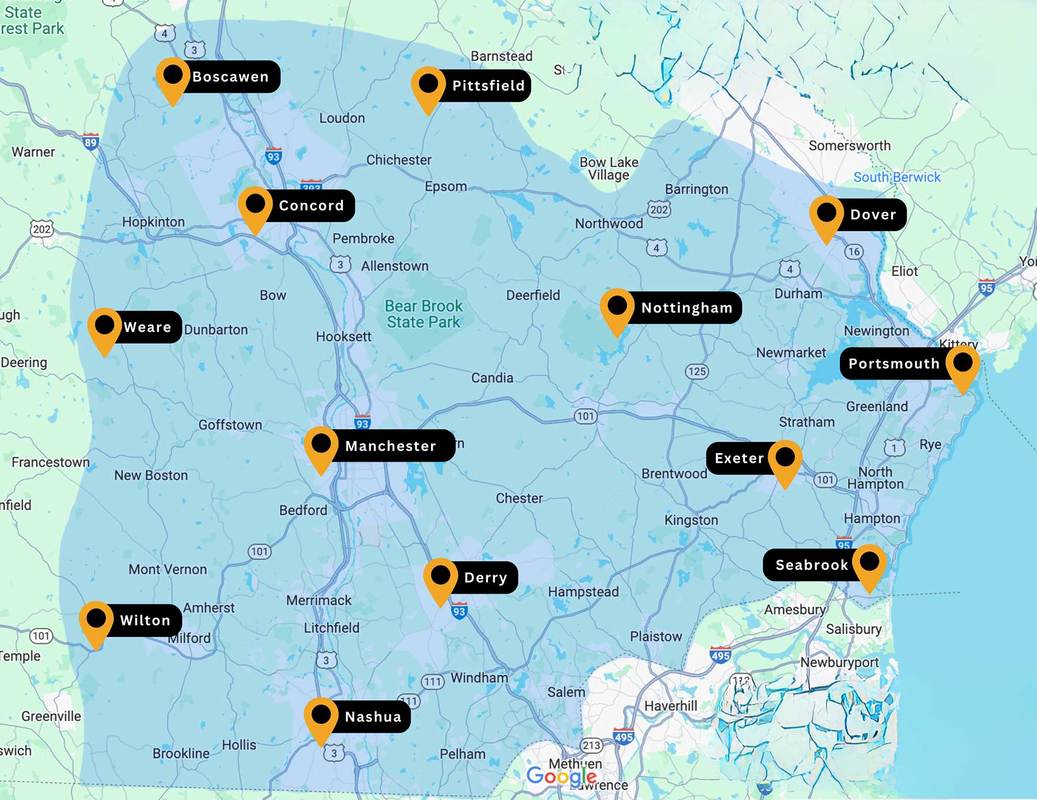
We also seal ducts as part of larger comfort upgrades. When a homeowner installs a new air conditioner or heating system, sealing the ductwork first ensures the new equipment performs to its rated capacity. Pairing a properly sized system with a tight duct network gives you the full benefit of your investment. We serve homeowners across Deerfield and the surrounding communities of Derry, and we bring the same thorough process to every home.
Technical Details That Make the Difference
Duct sealing is measured in terms of leakage, and the goal is to reduce the amount of air escaping the system to as low a percentage as practical. Supply-side leaks waste conditioned air, while return-side leaks pull in unconditioned air—both hurt efficiency, but they call for slightly different attention. We evaluate both sides so the whole system is balanced.
Material choice matters more than many people realize. Standard cloth duct tape is not rated for long-term duct sealing and often fails within a few years. Mastic and foil-backed tapes rated for HVAC use hold their seal for the life of the ductwork. We also pay attention to insulation on ducts that run through unconditioned spaces, because a sealed but uninsulated duct in a cold attic still loses heat through its walls. Sealing and insulating together gives you the strongest result.
Why Deerfield Homeowners Choose Paul the Plumber
We are a family owned and operated company, and we have served homeowners in this region for 22 years. Over that time we have built a reputation for doing the job right the first time. Every one of our technicians is licensed and background checked, so you can feel comfortable having us in your home. We treat customers like family and employees the same way, because we believe that culture shows up in the quality of the work.
We also make the experience straightforward. Here is what you can count on when you work with us:
- Up front pricing: you know the cost before we begin, with no surprises added later.
- A two year parts and labor warranty: we stand behind every repair, and club members receive a three year parts and labor warranty.
- Proven reliability: we are BBB accredited with an A+ rating and hold thousands of verified five-star reviews across multiple platforms.
We work with integrity, we care about the outcome, and we offer service with a smile. If your home has hot and cold spots, rising energy bills, or ductwork that has never been checked, we are happy to help. Reach out to Paul the Plumber and let us seal your ducts so your system delivers the comfort you are already paying for.