The Hidden Path Your Conditioned Air Takes Through Bow, NH
Picture a summer afternoon in Bow, NH. Your air conditioner runs steadily, the thermostat reads a comfortable temperature, and yet certain rooms stay warm no matter how long the system operates. The energy bill climbs higher than it should, and a faint layer of dust seems to settle over everything within days of cleaning. In many homes, the problem is not the equipment at all. The problem lives inside the ductwork, where small gaps, loose connections, and deteriorated seals quietly leak the air you paid to heat or cool.
At Paul the Plumber, we address these hidden losses directly through professional duct sealing. Ductwork acts as the circulatory system of your heating and cooling equipment, carrying conditioned air from the unit to each room and returning it for another cycle. When that system leaks, comfort suffers and efficiency drops. Understanding how air moves through your home is the first step toward fixing what most homeowners never see.
How Duct Leakage Develops Over Time
Ductwork does not fail all at once. The connections between duct sections rely on tape, mastic, or mechanical fasteners that degrade over the years. Temperature swings cause metal to expand and contract, loosening joints. Older tape dries out and peels away. Rodents, settling framing, and prior repairs can all open new gaps. In a typical home, these accumulated leaks can waste twenty to thirty percent of the air moving through the system.
The consequences reach beyond a higher utility bill. Leaks in supply ducts push conditioned air into attics, crawl spaces, and wall cavities where no one benefits. Leaks in return ducts pull in dusty, unfiltered air from those same unconditioned spaces, degrading the air you breathe. When we inspect a home in Bow, NH, we look for these patterns because they explain uneven temperatures, excessive dust, and equipment that runs far longer than it should.
Our Duct Sealing Methodology From Start to Finish
We follow a structured process so that no leak goes unaddressed and every step is documented. Sealing ducts is not a matter of applying tape at random. It requires measurement, careful access, and verification once the work is complete.
- Initial assessment: We inspect accessible ductwork, measure system airflow, and identify the areas most likely to leak, such as plenum connections, branch takeoffs, and register boots.
- Diagnostic testing: Where appropriate, we use pressure testing to quantify how much air the system loses, giving us a baseline to compare against after sealing.
- Surface preparation: We clean the joints and surfaces so that sealants bond properly and last for years rather than months.
- Sealing application: We apply mastic, mastic tape, or approved fasteners to each identified gap, prioritizing the connections that contribute the most loss.
- Verification: After the sealant cures, we retest airflow and confirm that leakage has dropped to acceptable levels.
This progression matters because a rushed job leaves gaps behind and undermines the entire effort. When we finish, we want you to feel the difference in the rooms that were previously hard to condition, and we want your equipment to run in shorter, more efficient cycles.
Technical Specifications That Matter
Not all sealing materials perform equally, and the choice depends on the duct type and location. We select materials based on their ability to withstand temperature extremes, resist cracking, and hold their bond over decades of thermal cycling.
Mastic is our preferred sealant for most rigid metal ducts because it remains flexible and adheres tightly to sheet metal seams. For larger gaps, we reinforce the mastic with fiberglass mesh tape that spans the opening and gives the sealant something to grip. On flexible ducting, we focus on the collar connections where the flex meets the metal boot, since these joints loosen most often. We avoid standard cloth-backed duct tape entirely for permanent sealing, because it dries and peels within a few years despite its name.
Airflow balance is another technical consideration. Sealing ducts changes the static pressure inside the system, which can shift how air distributes among rooms. After sealing, we verify that supply and return remain balanced so that no single room becomes starved or over-pressurized. This attention to the whole system, rather than a single duct run, separates a lasting result from a temporary patch.
Where Duct Sealing Makes the Biggest Difference
Duct sealing helps a wide range of homes and situations. We see the most dramatic improvements in the following circumstances:
- Uneven room temperatures: When one room stays too hot or too cold, sealing often restores proper airflow to that space.
- Rising energy bills: Homes losing conditioned air to attics or crawl spaces pay to treat air that never reaches living areas.
- Excessive indoor dust: Return-side leaks pull in dust and debris, and sealing them improves air quality noticeably.
- Aging systems: Older homes in Bow, NH frequently have ductwork installed decades ago with connections that have long since loosened.
Whether you heat with a furnace in winter or cool with central air through the humid months, tighter ductwork lets your equipment do its job with less strain. That reduced strain also extends the working life of the heating and cooling system itself, protecting a significant investment in your home.
Why Homeowners Trust Paul the Plumber
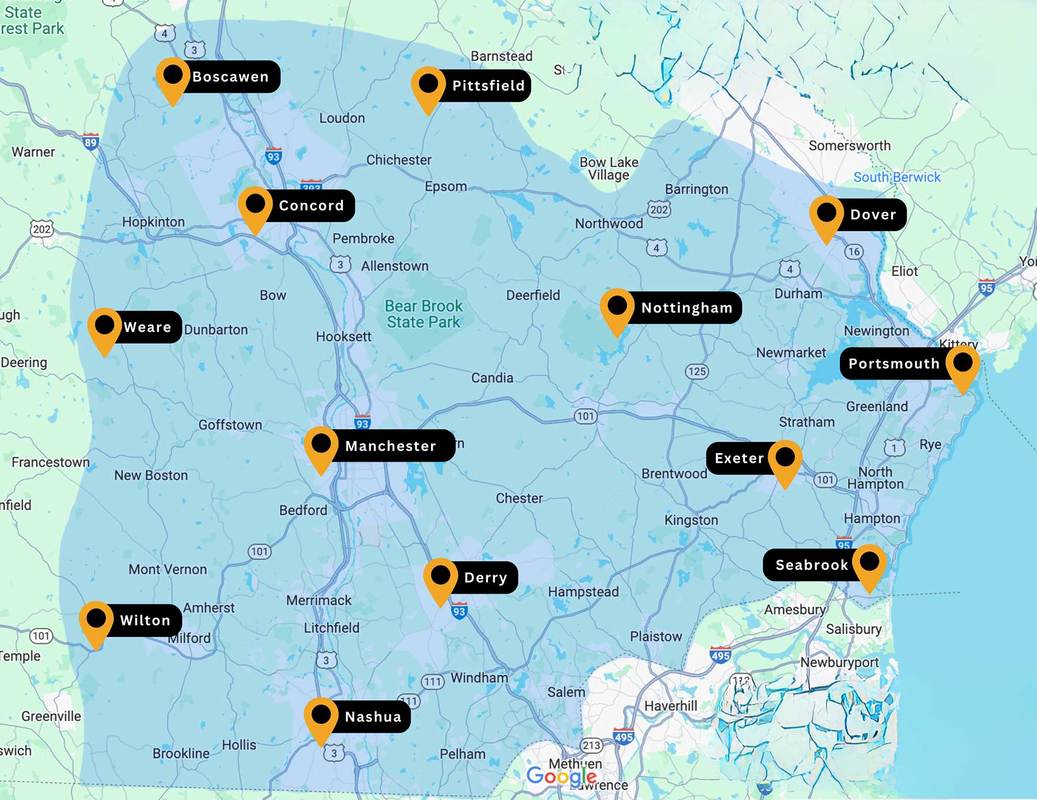
We are a family owned and operated company, and we have served homeowners across Bow and the surrounding Derry communities for 22 years. We treat customers like family and employees like family, because we believe that reliability and integrity come from caring about the outcome, not just the invoice. Every one of our technicians is licensed and background checked, so you can feel comfortable with the person who enters your home.
We are BBB accredited with an A+ rating, and we have earned thousands of verified five-star reviews across multiple platforms. We offer up-front pricing before any work begins, and we back all of our work with a two-year parts and labor warranty. Club members receive a three-year parts and labor warranty for added peace of mind. When you call Paul the Plumber for duct sealing, we are happy to help, and we deliver service with a smile from the first inspection to the final verification.